Saturday, July 17, 2010

The secret to high returns in stock investing

The secret to high returns in stock investing: " Investment criteria that have worked exceptionally well in the past
Over the years of my investing experience, I have had my share of successes and failures - both have inevitably offered valuable learning (in hindsight of course). A popular saying in investor circle goes – give your money to the market and you are bound to get a lesson or two in “return” (pun intended). May be this is why the secret to investment excellence is – “time in the market” rather than “timing the market”. In this article, I have decided to share some of the investment selection criteria and characteristics that paid out handsome returns in the past. What I find quite amazing is that most of my really successful investments have had at least one, and, more frequently, several of the simple investment characteristics, which are described below.

Low Price compared to Earnings: Stocks bought at low price-to-earnings ratio (i.e. price per share divided by net profit of the company per share) are cheaper than stocks bought at higher ratios of price-to-earnings. Almost all of my multi-baggers (stocks that multiplied in value) were purchased at a price/ earnings ratio of less than 15. Paying a low price for a stock in relation to its earnings, means you don’t overpay for growth in earnings of the company. So when growth does happen, it leads to a non-linear increase in the share price. This is particularly true when low price-to-earnings is accompanied by ‘high dividend yield’ and ‘low price-to-cash flow’.

Low Price compared to Book Value: Stocks priced at less than book-value can often be purchased on the assumption that, in time, their market price will reflect at least their stated book value (value of all assets in the balance sheet minus all liabilities). During a few rare occasions, I have also been able to find stocks selling at discounts to their current assets minus liabilities (i.e., cash and other assets which can be turned into cash within one year, minus liabilities) - a measure of the minimum liquidation value of the business. This was a stock selection technique successfully employed by the founder of the Value Investing concept - Benjamin Graham (the guru of Warren Buffett)

Significant purchases by Insiders: Managers, directors and promoters (referred to as Insiders) often buy their own company’s stock when it is depressed in relation to the estimated intrinsic value of the company. Insiders usually have special “insight” about the company and the industry, which they believe will result in an increase in the underlying value of the company. Often such insider buying happens in companies, whose stock is available at low price-to-earnings or at low price-to-book value. Using knowledge of insider purchases (available in exchange filings) along with fundamental stock evaluation criteria makes a powerful combination that’s hard to beat.

Significant decline in share price: A severe decline in share price is often accompanied by a decline in earnings of the company or earnings that failed to meet expectations. What most market participants fail to understand or anticipate - is the possibility of the company’s performance reverting to mean. More often than not, companies with a strong balance sheet (and promoter track record) but whose recent performance has been poor, tend to perk up and improve, generating tremendous returns to the contrarian investor who was bottom fishing.

Small market-capitalization: Most publicly traded companies are small in terms of their market capitalization (total number of shares multiplied by share price). In fact if you remove the top 100 firms (by size) from the stock market, the combined market capitalization of the others contributes only to a third of the overall market capitalization of all listed firms in the exchange. Small and mid-cap companies, if selected prudently, often display higher rates of growth and may be more easily acquired by larger corporations – providing a double benefit for shareholders who buy cheap.

Each of the above characteristic is loosely connected to the other. A confluence of all the above characteristics is a strong pointer to an undervalued stock that has potential to yield high returns.
"

Tuesday, May 25, 2010

Checking in on Saturn

Checking in on Saturn: "
While we humans carry on with our daily lives down here on Earth, perhaps stuck in traffic or reading blogs, or just enjoying a Springtime stroll, a school-bus-sized spacecraft called Cassini continues to gather data and images for us - 1.4 billion kilometers (870 million miles) away. Over the past months, NASA's Cassini spacecraft has made several close flybys of Saturn's moons, caught the Sun's reflection glinting off a lake on Titan, and has brought us even more tantalizing images of ongoing cryovolcanism on Enceladus. Collected here are a handful of recent images from the Saturnian system. (30 photos total)

In orbit around Saturn, NASA's Cassini spacecraft captured this image of Saturn's moon Tethys with its prominent Odysseus Crater slipping behind Saturn's largest moon Titan. Tethys (1,062 km, or 660 mi across) is more than twice as far from Cassini than Titan (5,150 km, or 3,200 mi across). Tethys is 2.2 million km (1.4 million mi) from Cassini, where Titan is only about 1 million km (621,000 mi) away. This image was obtained with the a narrow-angle camera on November 26, 2009. Image scale is 6 km (4 mi) per pixel on Titan and 13 km (8 mi) per pixel on Tethys. (NASA/JPL/SSI)


Add to Facebook
Add to Twitter
Add to digg
Add to StumbleUpon
Add to Reddit
Add to del.icio.us
Email this Article


NASA - Saturn - Cassini - Cassini–Huygens - Titan"

Friday, May 14, 2010

Unpublished, Unseen 2010

Unpublished, Unseen 2010: "

Varanasi, India, 2010


Over the past thirty years, I have taken nearly a million pictures. Many of them have been published in my books, in magazines, and seen in my exhibitions, but a majority have never been seen. Here are a few of those unseen pictures that I have taken in the past few months.


India, 2010


Mandalay, Burma, 2010


Burma, 2010


Mandalay, Burma, February, 2010


Burma, 2010


Burma, 2010


Chiang Mai, Thailand, 2010


Chiang Mai, Thailand, 2010


"

Monday, April 19, 2010

Volcanic Ash Blankets Europe

Volcanic Ash Blankets Europe: "

LONDON (AP) -- Thick drifts of volcanic ash blanketed parts of rural Iceland on Friday as a vast, invisible plume of grit drifted over Europe, emptying the skies of planes and sending hundreds of thousands in search of hotel rooms, train tickets or rental cars.


'The skies are totally empty over northern Europe,' said Brian Flynn, deputy head of Eurocontrol, adding 'there will be some significant disruption of European air traffic tomorrow.' The agency said about 16,000 of Europe's usual 28,000 daily flights were canceled Friday -- twice as many as were canceled a day earlier. U.S. airlines canceled 280 of the more than 330 trans-Atlantic flights of a normal day, and about 60 flights between Asia and Europe were canceled.

Southern Iceland's Eyjafjallajokull (ay-yah-FYAH'-plah-yer-kuh-duhl) glacier began erupting for the second time in a month on Wednesday, sending ash several miles into the air. Winds pushed the plume south and east across Britain, Ireland, Scandinavia and into the heart of Europe. The air traffic agency Eurocontrol said almost two-thirds of Europe's flights were canceled Friday, as air space remained largely closed in Britain and across large chunks of north and central Europe. (21 images)


Follow The Frame on Twitter at sacbee_theframe


The volcano in southern Iceland's Eyjafjallajokull glacier sends ash into the air just prior to sunset on Friday, April 16. Thick drifts of volcanic ash blanketed parts of rural Iceland on Friday as a vast, invisible plume of grit drifted over Europe, emptying the skies of planes. AP / Brynjar Gauti


volcano02.jpg

Smoke billows from a volcano in Eyjafjallajokull on April 16. Iceland's second volcano eruption in less than a month has sent plumes of ash and smoke billowing more than 20,000 feet (6,000 metres) into the sky. The massive ash cloud is gradually sweeping across Europe and forcing the continent's biggest air travel shutdown since World War II. AFP / Getty Images / Halldor Klobeins


volcano03.jpg

A car is seen driving through the ash from the volcano eruption under the Eyjafjallajokull glacier in Iceland, Friday. The volcano erupted for the second time in less than a month, melting ice, shooting smoke and steam into the air. AP / mar skarsson


volcano04.jpg

Volcanic scientists collect samples of ash to send to labs to analyze its content, in eastern Iceland on April 15. A cloud of ash from the Eyjafjallajˆkull volcano in Iceland, which erupted on the morning of April 14. AFP / Getty Images / Omar Oskarsson


volcano05.jpg

Footprints in volcanic ash fallen to ground Friday April 16, near Myrdalssandur, some 220km east of the capital Rejkavik, Iceland. AP / Brynjar Gauti


volcano06.jpg

A woman wears a mask and goggles to protect herself from ash caused by volcanic activity Friday April 16, some 120km east of the capital Rejkavik, Iceland. Authorities told people in the area with respiratory problems to stay indoors, and advised everyone to wear masks and protective goggles outside. AP / Brynjar Gauti


volcano07.jpg

A computer enhanced image provided by the German Aerospace Center, DLR, on Friday, April 16, shows a photo of the volcano under the Eyjafjallajokull glacier on Iceland taken by the TerraSAR-X satellite on Thursday evening, April 15. AP / TerraSAR-X


volcano08.jpg

A landscape flattened by floodwaters caused by volcanic activity on the Markarfljot river bank Friday, April 16, some 120km east of the capital Reykjavik, Iceland. AP / Brynjar Gauti


volcano09.jpg

Ice chunks carried downstream by floodwaters caused by volcanic activity lie on the Markarfljot river bank Friday April 16, some 120km east of the capital Rejkavik, Iceland. AP / Brynjar Gauti


volcano10.jpg

Ground staff secure a plastic protective cover on the engines of an aircraft at Belfast City Airport in Northern Ireland, on April 16. AFP / Getty Images / Peter Muhly


volcano11.jpg

Passengers look out from the windows of Krakow airport, Poland, Friday, April 16. A cloud of volcanic ash from an Iceland volcanic eruption caused cancellation of flights across Europe putting at risk the burial ceremony of late Polish president Lech Kaczynski and his wife, killed in a plane crash. The ceremony is planned to take place at the Wawel castle in Krakow, on Sunday, April 18. AP / Petr David Josek


volcano12.jpg

Travelers wait at the closed international Airport in Duesseldorf, Germany, Friday, April 16. Most countries in northern Europe suspended their air traffic due to ash clouds from the volcanic eruption in Iceland. AP / Martin Meissner


volcano13.jpg

Italian tourists rest in the departure hall of Prague's Ruzyne airport on April 16, as flights were cancelled due to ash from a volcano eruption in Iceland. AFP / Getty Images / Michal Cizek


volcano14.jpg

Passengers gather in front of flight information screens at Roissy Charles de Gaulle Airport, as hundreds of commercial flights across northern Europe are canceled by a drifting plume of volcanic ash originating from Iceland, outside Paris, Friday, April 16. AP / Christophe Ena


volcano15.jpg

Passengers rest at Roissy Charles de Gaulle Airport, as hundreds of commercial flights across northern Europe are canceled by a drifting plume of volcanic ash originating from a volcanic eruption in Iceland, Friday, April 16. AP / Christophe Ena


volcano16.jpg

Passengers use camp beds as they wait for the resumption of air travel on April 16, at the airport in at Frankfurt airport, the biggest in Germany. AFP / Getty Images / Torten Silz


volcano17.jpg

Passengers sleep as they waits for the resumption of air travel on April 16, at the airport in Frankfurt, Germany. AFP / Getty Images / Torstan Silz


volcano18.jpg

In this photo released by the Icelandic Coastguard on Friday, April 16, officers in a coastguard plane monitor the activity of the volcano under the Eyjafjallajokull glacier in Iceland. AP / Icelandic Coastguard


volcano19.jpg

The crater of the volcano under the Eyjafjallajokull glacier in Iceland, is shown in this photo released by the Icelandic Coastguard on Friday, April 16. AP / Icelandic Coastguard


volcano20.jpg

This image provided by NOAA shows the volcanic plume, from Wednesday's eruption of a volcano beneath Iceland's Eyjafjallajokull glacier. Using sulfur dioxide concentration data from the NASA Aura/ OMI satellite sensor, it shows smoke, ash, and other components that can cause aircraft jet engines to fail. The OMI sensor can distinguish the differences between cloud, smoke, dust, ozone and other aerosols, and is important in Earth observations for aviation safety. AP / NOAA


volcano21.jpg

A combo of 3 pictures taken on April 15, by EUMETSAT shows a dark cloud of volcanic ash spreading from Iceland. A volcanic eruption in Iceland fired ash across northern Europe forcing the closure of huge swathes of international airspace which grounded hundreds of flights. The eruption of the Eyjafjallajokull volcano in southeast Iceland had already melted part of a surrounded glacier causing severe floods. More than 700 people were evacuated from their homes. AFP / Getty Images / Fabrice Coffrini


"

Thursday, March 25, 2010

The World’s Most Beautiful Bridges

The World’s Most Beautiful Bridges: "

Today’s bridges not only symbolize our world’s advancement in design but its advancement in technology as well.


Consequently, architects and engineers have been able to merge design and technology together in order to create bridges that are bigger, better, and more spectacular than ever before.


Several of these are simply stunning – a true marvel of classic engineering capabilities and the outstanding achievements of modern engineering.


We’ve compiled a list of 50 of the world’s most amazing bridges, both young and old. If we’ve missed and of your favorites, please feel free to add them in the comments area below… Enjoy!


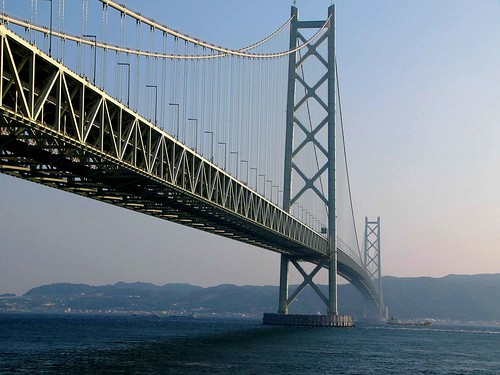
Akashi-Kaikyō Bridge (Kobe, Japan)


Bixby Creek Bridge (Big Sur, California, USA)


Bosphorus Bridge (Istanbul, Turkey)


The Bridge of Aspiration (Covent Garden, London, UK)


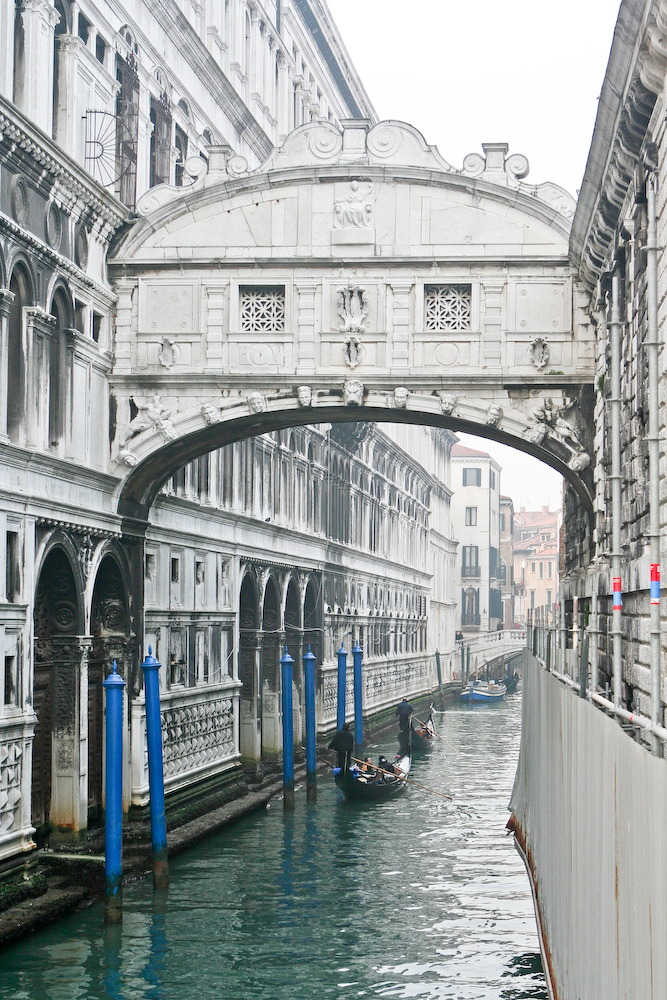
Bridge of Sighs (Venice, Italy)


Brooklyn Bridge (Brooklyn, New York, USA)


Chengyang Bridge (Sanjiang of Guangxi Province, China)


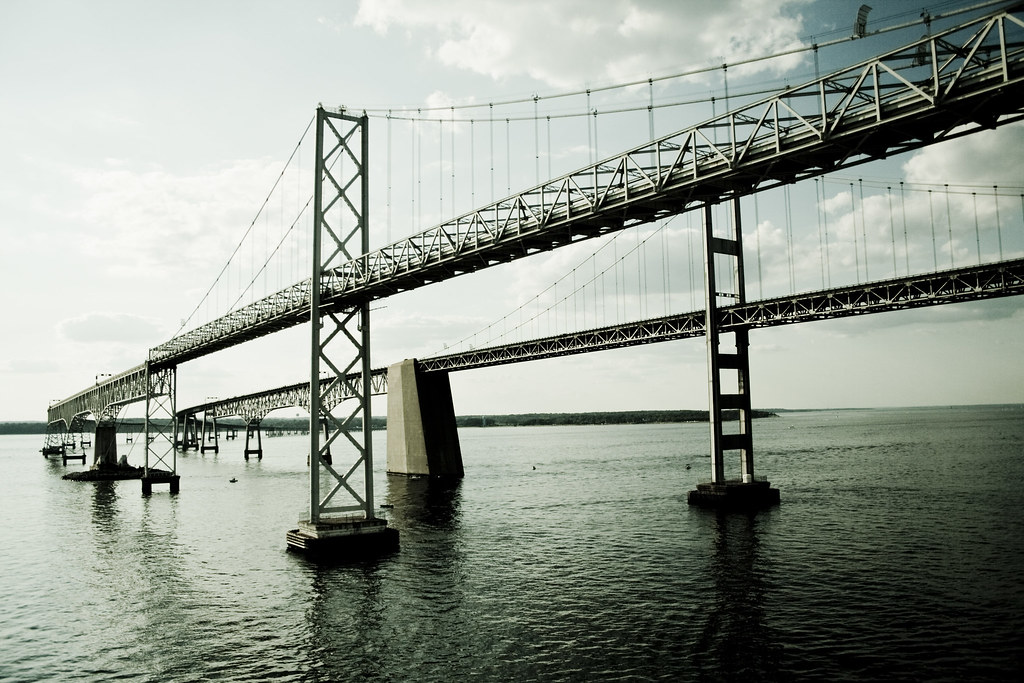
Chesapeake Bay Bridge (Chesapeake Bay, Maryland, USA)


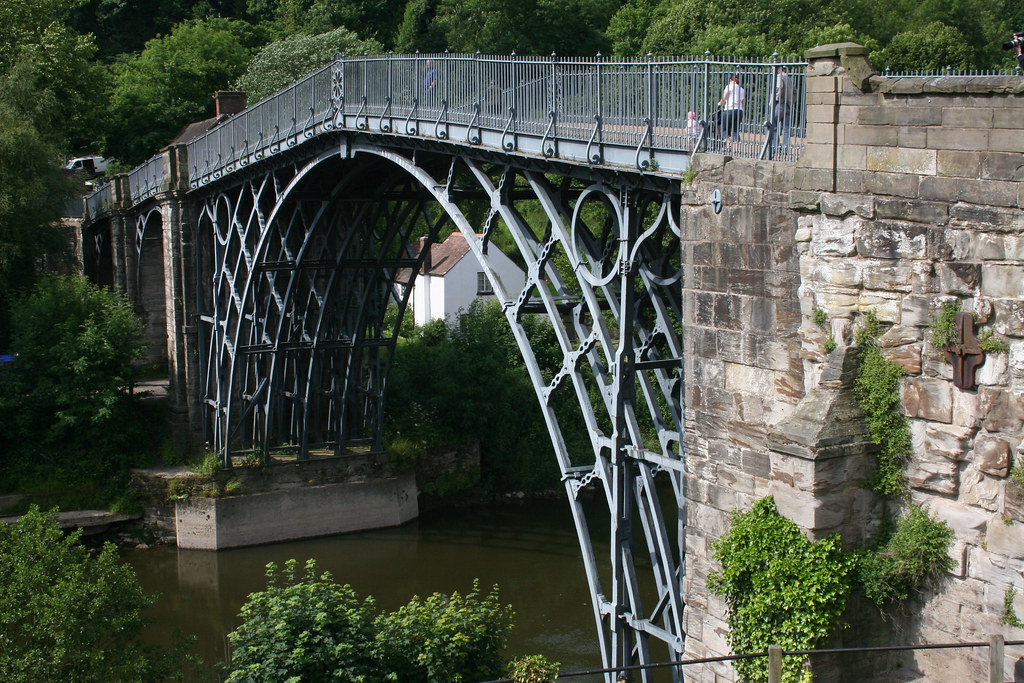
The Iron Bridge (Coalbrookdale, UK)


Confederation Bridge (New Brunswick, Canada)


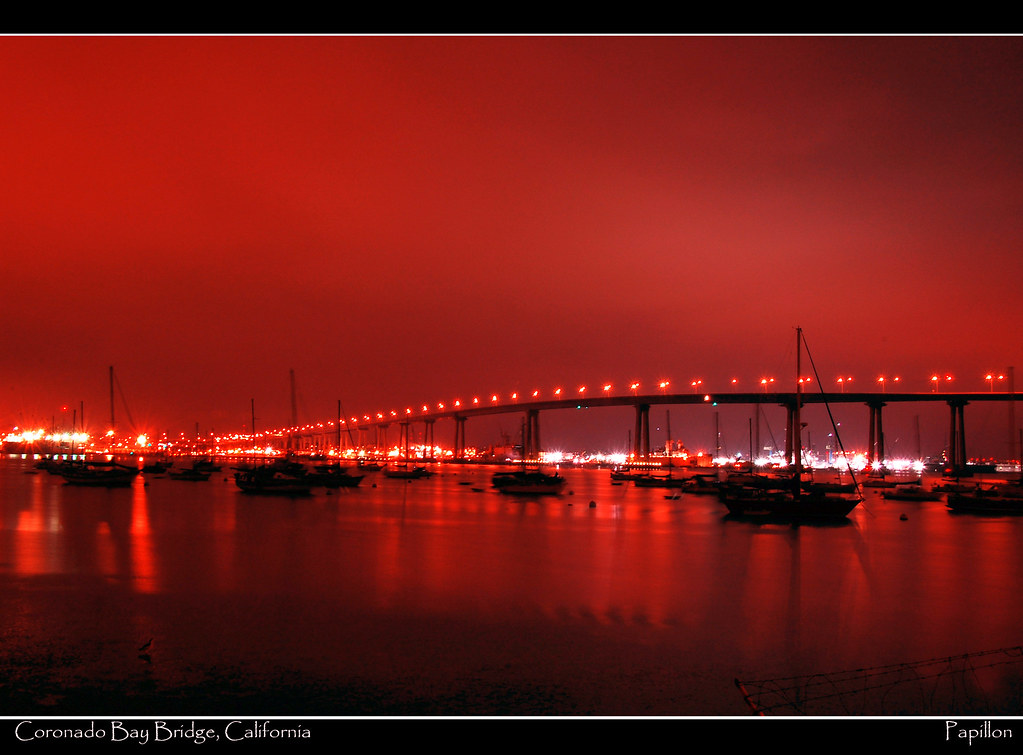
Coronado Bridge (San Diego, California, USA)


Donghai Bridge (Shanghai, China)


Erasmus Bridge (Rotterdam, Netherlands)


Fehmarn Belt Bridge (Hamburg, Germany to Copenhagen, Denmark)


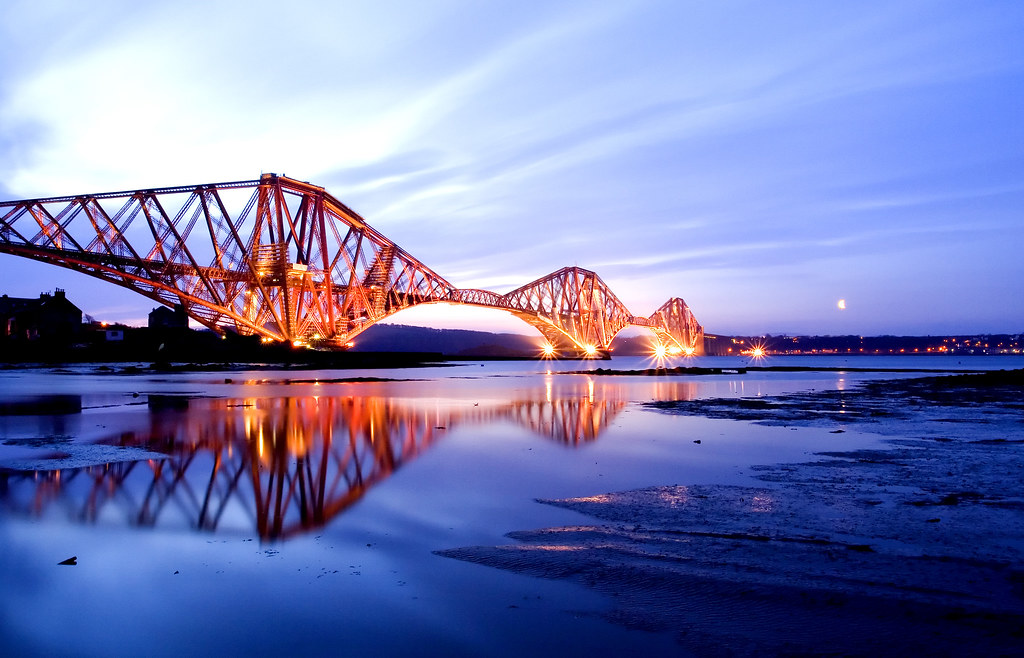
Forth Railway Bridge (Fife, Scotland)


Gateshead Millennium Bridge (Gateshead to Newcastle, UK)


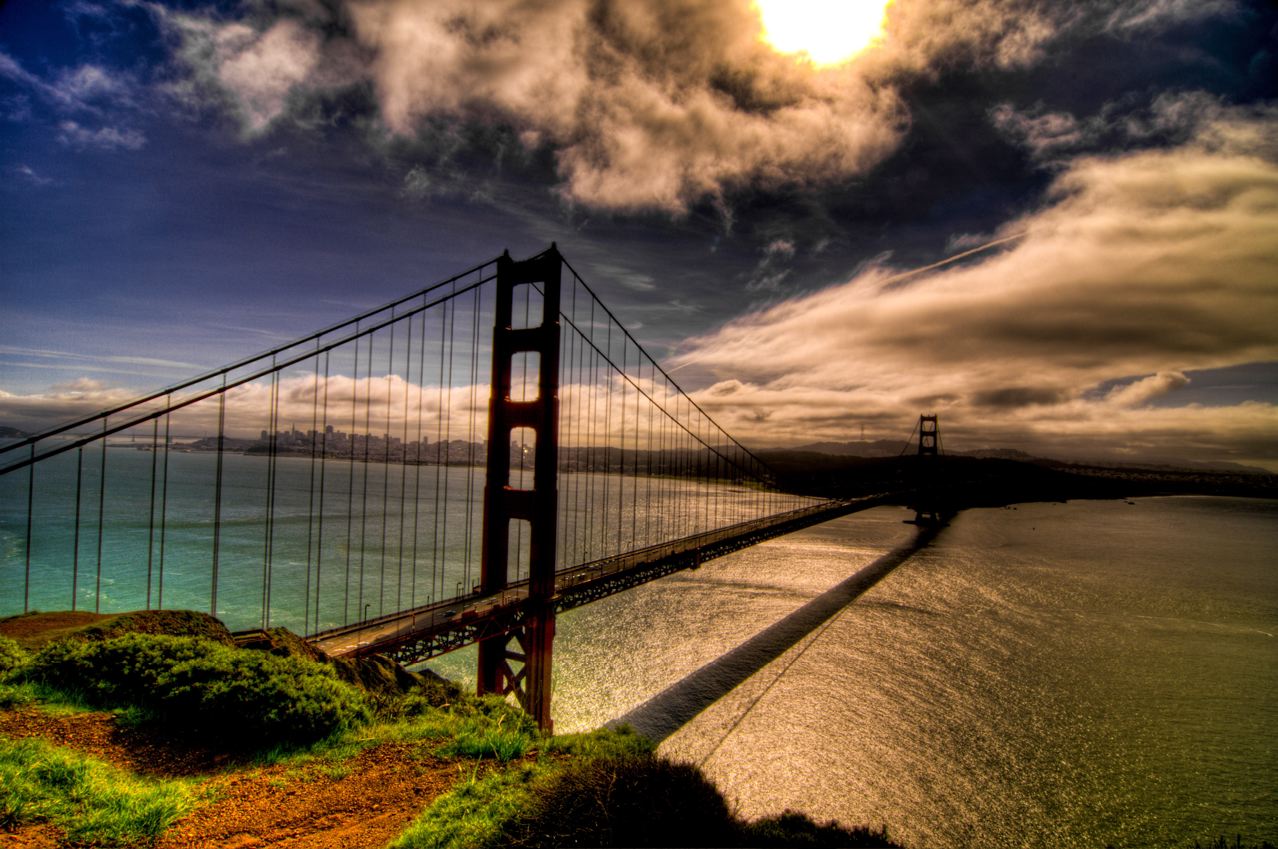
Golden Gate Bridge (San Franciso, California, USA)


The Half-Bridge of Hope (Russia)


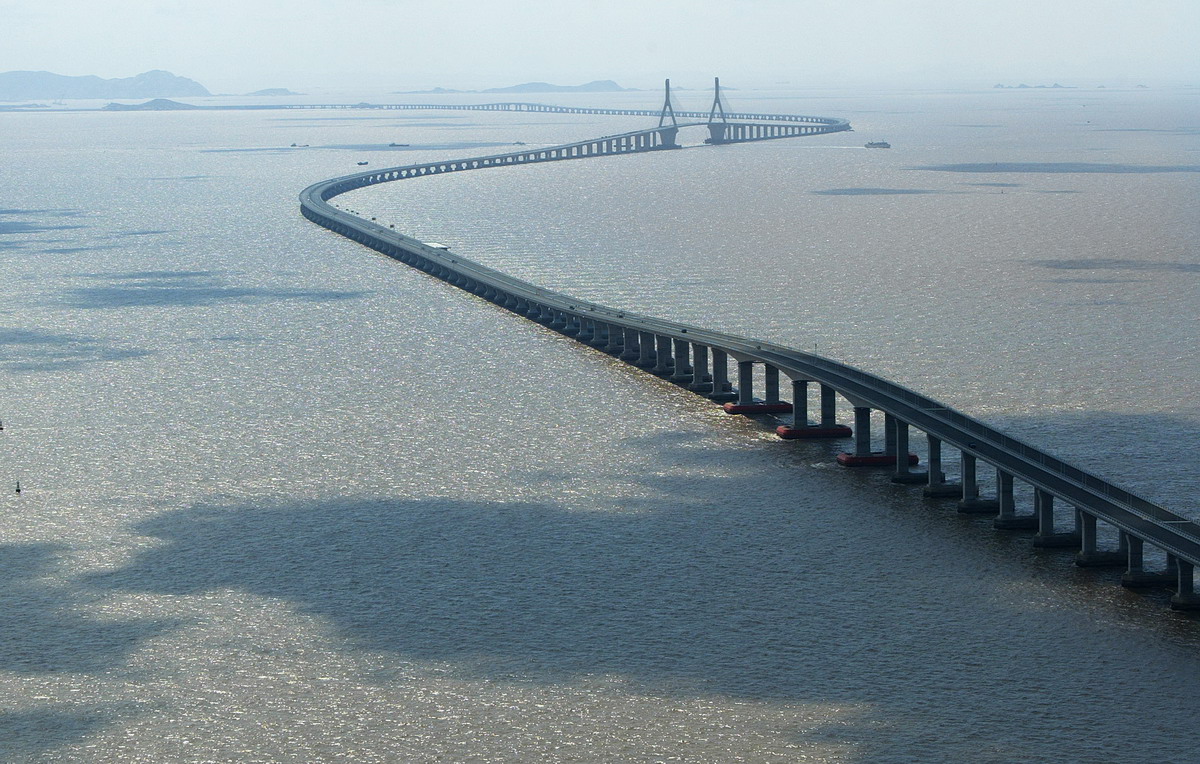
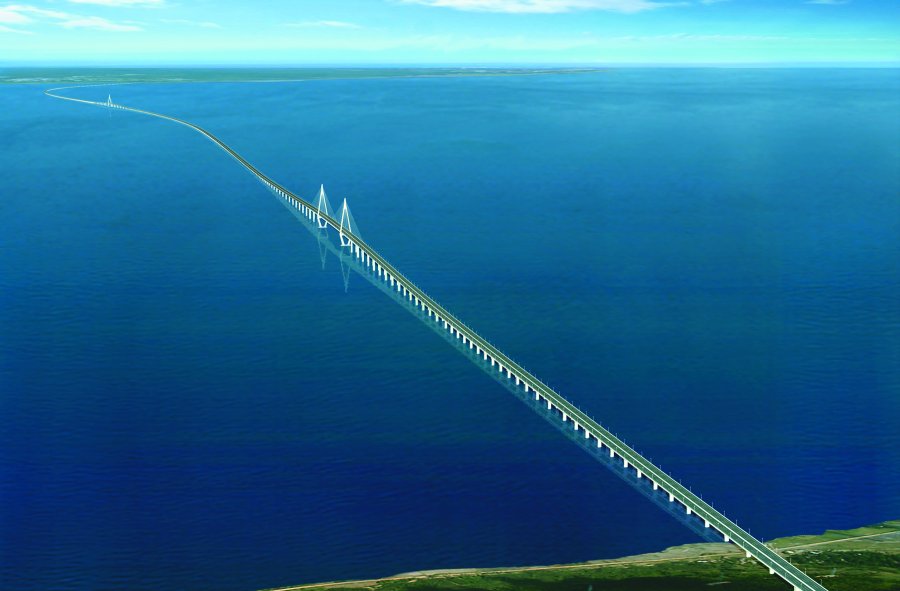
Hangzhou Bay Bridge (Hangzhou Bay, China)


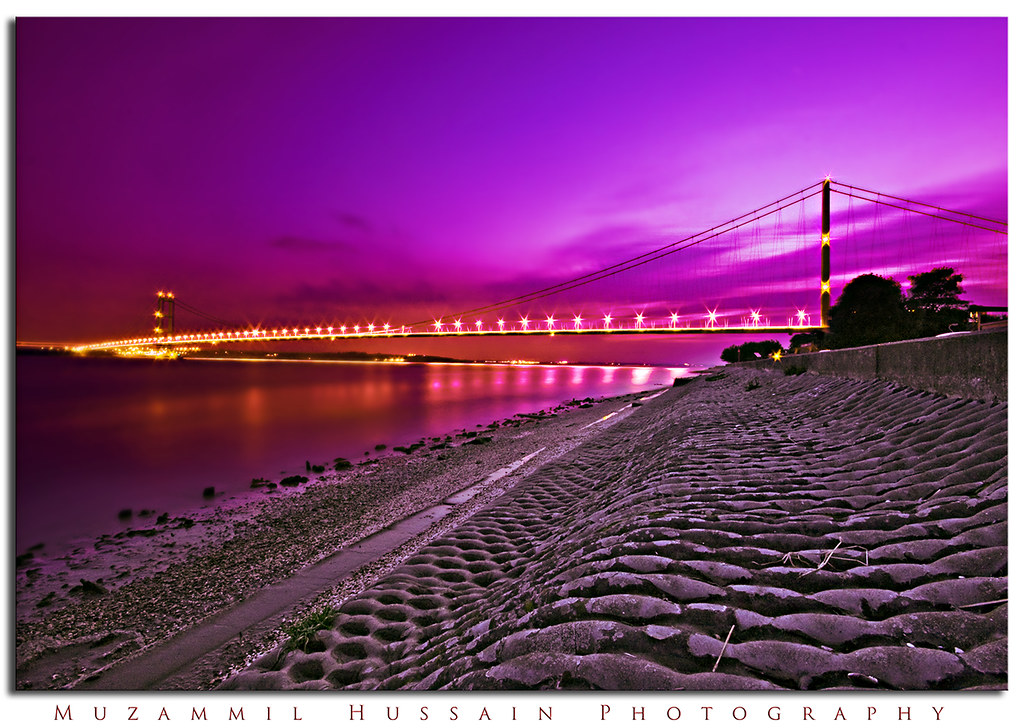
Humber Bridge (Kingston upon Hull, England)


Hussaini Bridge (Passu, Pakistan)


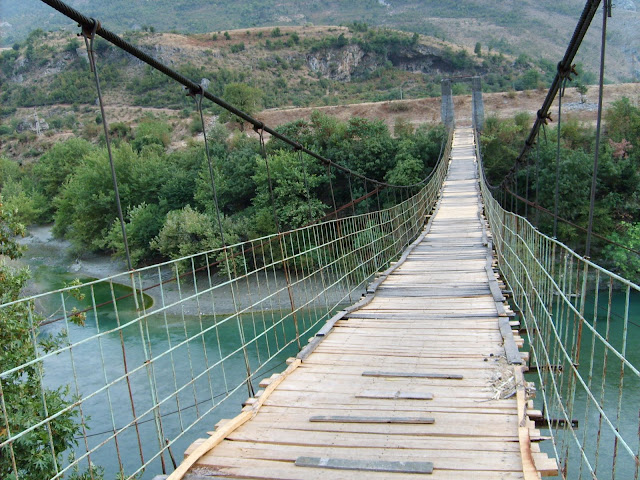
Jadukata Bridge (Ranikor, India)


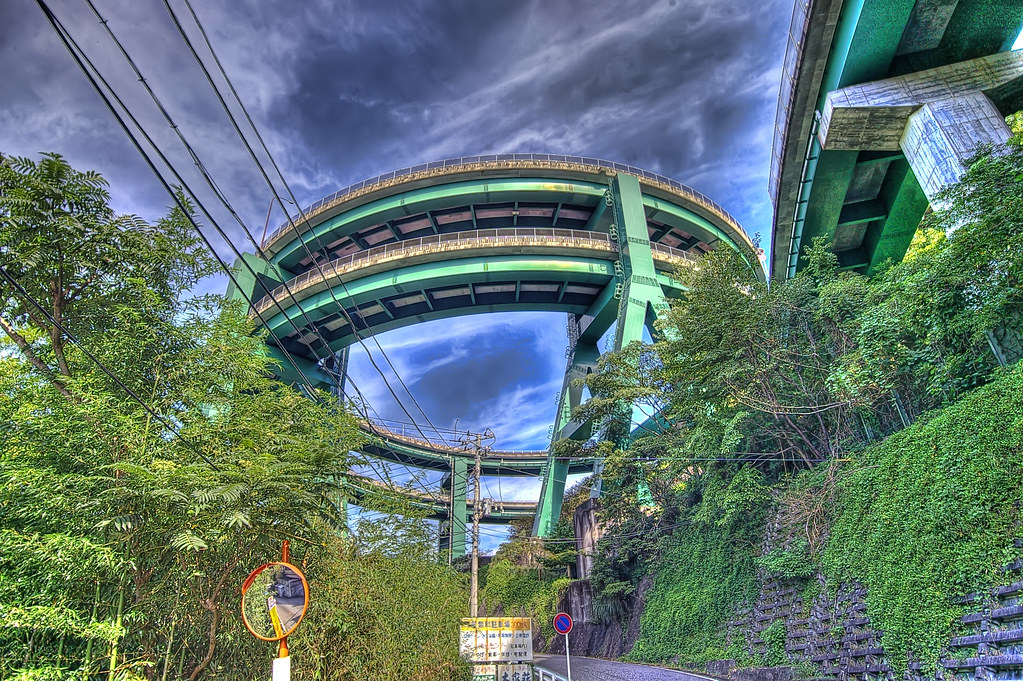
Kawazu (Kawazu-cho, Japan)


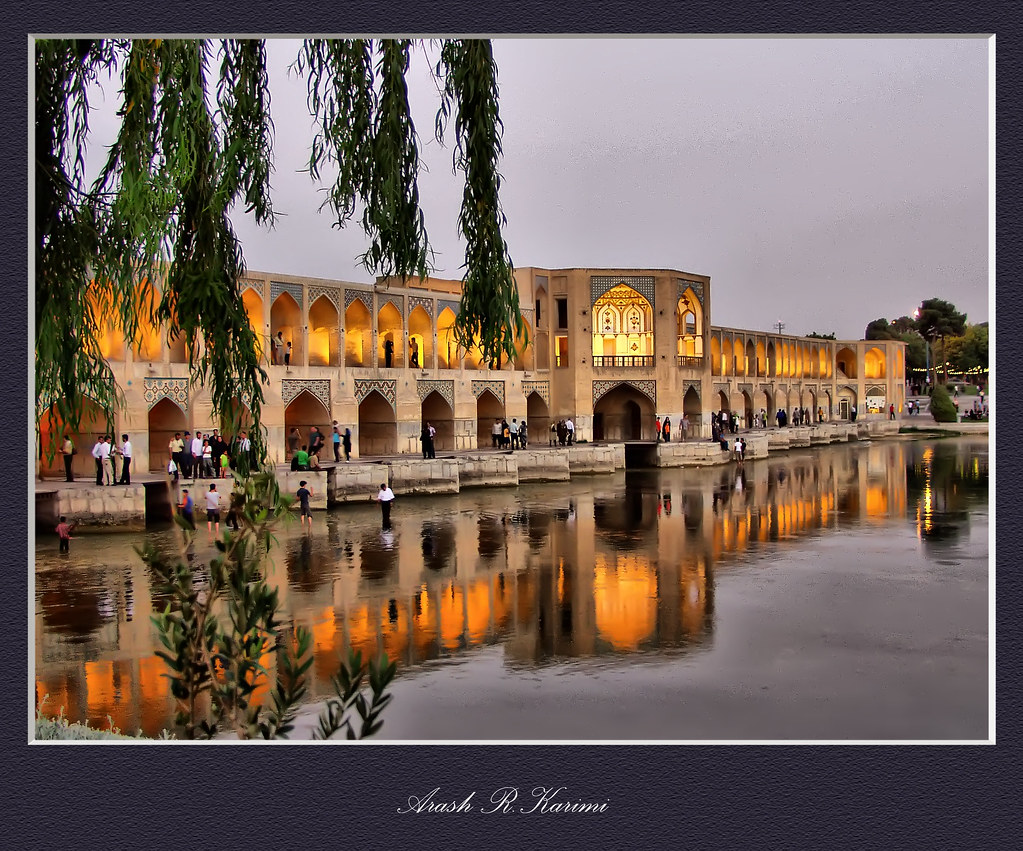
Khaju Bridge (Isfahan, Iran)


Kintaikyo Bridge (Iwakuni City, Japan)


If you find an exclusive RSS freebie on this feed or on the live WDD website, please use the following code to download it: C6Dn0u


"